

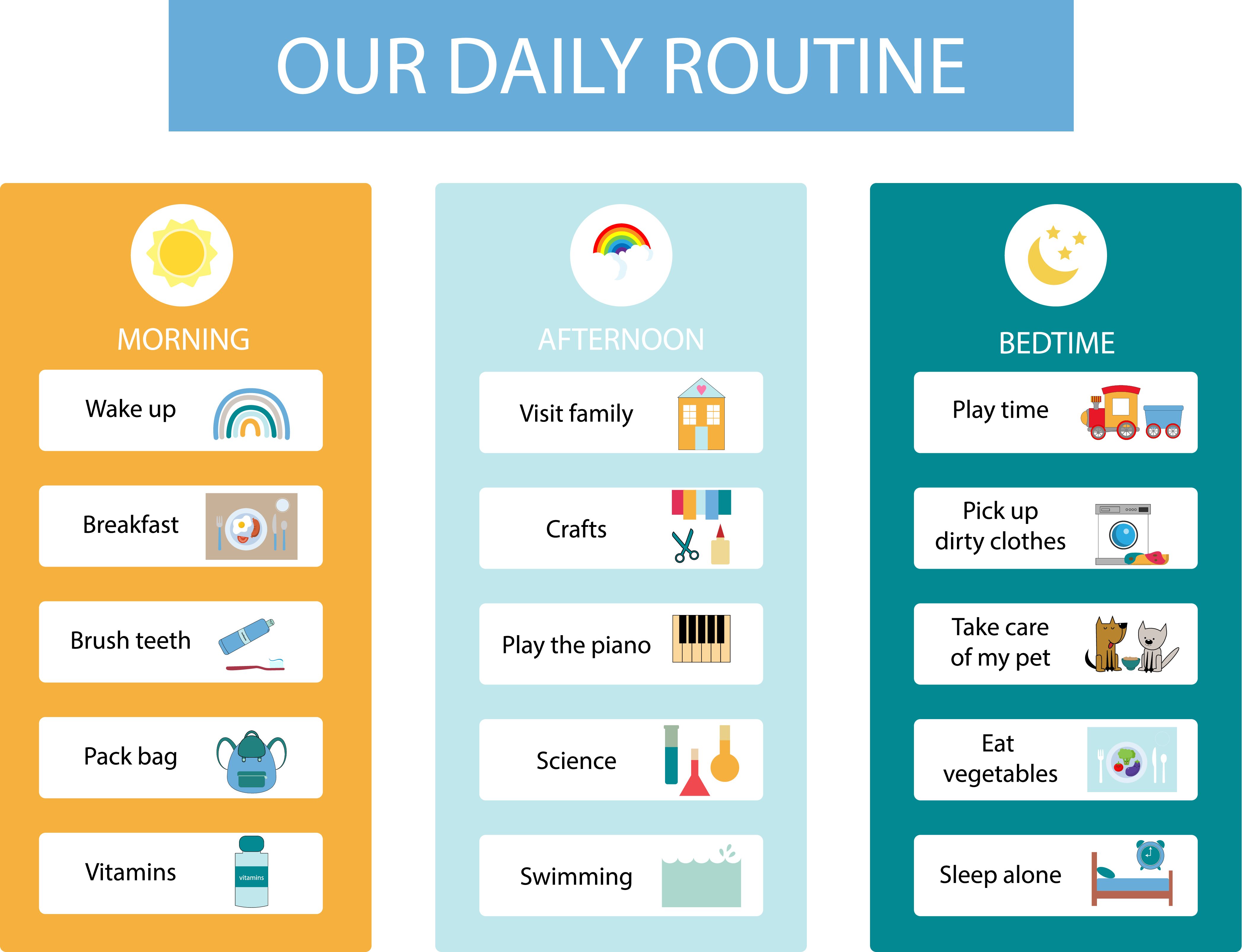
At home and in daycare, routine provides children with the structure they need to thrive.
Why Routine Matters for Young Children
Young children feel safest when their world is predictable. Knowing what comes next—meals, playtime, rest—helps reduce anxiety and builds confidence.
Consistent routines support:
- Emotional regulation
- Positive behavior
- Better sleep patterns
- Stronger social skills
For infants and toddlers, routine isn’t about rigid schedules—it’s about dependable patterns.
Routine and Brain Development
During early childhood, the brain develops rapidly through repeated experiences. Daily routines—like morning circle time, reading before nap, or washing hands before meals—help strengthen neural connections that support learning and memory.
Children who experience consistent routines often show:
- Improved attention and focus
- Stronger language development
- Greater independence
- Increased readiness for preschool and kindergarten
The Role of Routine in Daycare Settings
Quality daycare centers across Nassau and Suffolk Counties use structured schedules that balance learning and play. A typical day may include:
- Free and guided play
- Educational activities
- Outdoor time
- Meals and snacks
- Rest periods
- Music, movement, and creative expression
These routines help children transition smoothly throughout the day and feel confident in their environment.
Consistency Between Home and Daycare
When parents align home routines with daycare schedules—especially bedtime and mealtime—children experience fewer transitions and greater emotional stability. Consistency across settings helps reinforce expectations and reduces stress for both children and parents.
Routine Builds Independence and Confidence
As children become familiar with daily routines, they begin to anticipate what comes next. This encourages independence, cooperation, and self-help skills such as cleaning up toys, following directions, and participating in group activities.
Predictable routines empower children to take ownership of their day.
Flexibility Within Structure
Routine doesn’t mean inflexibility. Life can be busy, and occasional changes are inevitable. A strong routine provides a foundation that allows children to adapt more easily when schedules shift.
Think of routine as a supportive framework rather than a strict rulebook.
In Summary
Routine is one of the most powerful tools in early childhood development. In a nurturing daycare environment, consistent schedules help children feel secure, supported, and ready to learn. By establishing predictable routines both at home and in daycare, families help lay the groundwork for lifelong success.